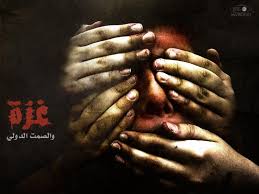
اليوم الثامن عشر- ما أول شيء ستفعله بعد انتهاء الحرب


18

لم تعد تعلم كم مرت سألت نفسك هل أنا أنا؟ أو كم مرة سألت نفسك أين أنا؟

لم تعد تعرف كم صديق قطع بوابة السماء، ولم تعد تعرف حتى ما هي ملامحك، هل إذا نظرت إلى المرآة ستكون أنت نفس الشخص اياه الذي كانه قبل تمانية عشر يوم؟.

أما زلت تحتفظ بذات الوزن؟ أو ذات الملامح؟ هل أصابعك مازات عشرة لليدين وعشرة للرجلين؟ وهل أنت بشري تعيش بكامل أعضائك أم فقدت أحدها ولم يسعفك الوقت لتتتفقدها؟

تستيقظ على نكزة  من شخص ينام بجوارك، عرفته خلال هذه الحرب، فقد شرد كما شردت وهو يوشوشك: ما أول شيء ستفعله بعد انتهاء الحرب؟

تشد على عينيك، وتبتسم بوجع  وأنت تقول: تنتهي!

تتجاهله، وتدير له جنبك تفاديا أن يلاحظ تكرمش ملامحك، وتتحدث إلى نفسك: أريد أن أريح عيني من الرؤية!

تحاول أن تغلق عينيك وأنت تفكر بهذا الشخص الذي جمعتكم الأيام ليفصل بينكما ربما سنتيمتر واحد، لقد دمر منزله عن بكرة أبيه وراح أخوه وأخته وأخ مع وجته وأطفالهم، حتى يبقى إلا هو وأمه، وعلى الرغم من ذلك يسأل بابتسام وربما تفاؤل: ما أول شيء ستفعله بعد انتهاء الحرب؟

أهو الإيمان أم اليأس من جعله يصل إلى هذه المرحلة، أقلبه حي أم دفن تحت الركام وبقي جسده ينتظر البلاء. أيعقل أن هذا الجسد به عقل صغير ينبض ليحلم بالحياة وانتهاء الحرب؟  أهو تجاوز الميتفيزيقيا الكونية يأسا ومات في هذا العالم الذي نعيش فيه سويا وأصبح يسبح في القاع بانتظار الشفاعة.

يضرب الاضطراب قلبك وعقلك، تقول هو لا يفكر بالنجاة من الموت أو الحياة، هو يفكر بأن يبني خطة لأفعاله بعد الحياة.

أيخرج هذا الجسد الغض من مكانه ويزور السماء ويعلم ماذا سيحدث بعد انتهاء الحرب؟ تقول هذا بعد أن تسترق نظرة خاطفة عليه.

ما أول شيء سأفعله بعد هذه الحرب؟ تسأل نفسك ما سألك إياه، وكأنك أصبحت هو و وتسترسل بأفكارك

تفكر، وتفكر وتفكر….

تشتم نفسك بالحمق وتصرخ عليها قائلا: لا شك إنه هو أيها الأحمق، هو.. ستذهب لتحتضنه وترى النخلة هل تحتفظ بعناقيد البلح أم لا.

فجأة تضرب نفسك بالوسادة التي تنام عليها، وتقول لا لا هذا قد يكون الثاني أو الثالث..لكن الأول….وتبقى تكرر الأول إلى أن يسدل جفنك وتذهب في النوم.

Posted in Gaza war 2014 | Leave a comment

IN Gaza we are not OK

you can reach the article via the link below

http://www.bu.edu/agni/essays/online/2014/attallah.html

Posted in Gaza war 2014 | Leave a comment

In War, I didn’t discover

war
Najlaa Ataallh
Editor: Eva Burke
In war I didn’t just discover the inadequacy of writing, but also my clear inability to write even one correct word.
I didn’t just discover the mystery of language, but am also sure of the shame of my Arabic language- of my cowardly and weak texts.
I didn’t just discover my city without walls, but also my own hollowness, and the space I occupy as just a temporary displacement of atoms.
I didn’t just discover my disability, but also my truncated thought and the certainty of this physical body as just pieces of growing doubt that death has yet to harvest.
I didn’t just discover that I have grown poorer and more ignorant, but that hardly anything could ever be mentioned again.
In war I didn’t get mesmerized by literature or criticism, but I sank into the mud. I joined other writers in this fall to anxiety and the fear of lake diseases. Now I float inside an oil tank that THREATENS TO explode at THIS disabled and withered heart.
In war I never read one right number.
I didn’t read out the beseeching prayers, but I did need to be hit by the physics teacher’s stick. I needed to be reminded that the hit of the rocket head on the house floor will affect the air atmosphere, that it will open the sky for 10 martyrs at least to cross its gate.
In war I didn’t remember the periodic table of chemicals or the formula for any compound, but the result of the interaction of chemicals has the same outcome: death.
I didn’t just discover that death, like life, is priceless. I also became certain that love is buried in the evil hearts. And the dream of a free country is an inherited Greek legend with irrelevant epics

في الحرب…. لم أكتشف
في الحرب لم اكتشف أني لا أعرف الكتابة، بل تيقنت أني لا أعرف أن أصيغ كلمة واحدة صحيحة.
لم اكتشف أني لا أعرف اللغات بل تيقنت أن العربية تخجل من محتواي الهش الجبان.
لم اكتشف أني أعيش في مدينة بلا جدران بل تأكدت أني خواء، ومساحة الهواء الذي أشغله هي إزاحة مؤقتة لبعض ذرات الكيمياء.
لم اكتشف أني مريضة، بل تأكدت أني مبتورة الفكر وتكويني الجسدي هو قطعة زائدة لم تحصدها شكوك الموت .
في الحرب أخرج أكثر جهلا وفقدا..بل لاشيء يذكر.
في الحرب لم أفتن بالأدب والنقد، بل غرقت في الوحل، وانضممت إلى الكتاب مشعثي الفكر، معوجي الدماغ وتلويت في داء القلق والخوف، وطفوت على داخل صفيحة زيت تنفجر في قلب عاجز ذابل.
في الحرب لم أقرأ رقما واحدا صحيحا، ولم أتلو صلوات التضرع أو التقرب، بل أحتاج أن أضرب بخيزران أستاذ الفيزياء، وأحفظ أن ارتطام رأس صاروخ بسطح منزل يؤثر على غلاف الجو ويفتته ويفتح السماء ليقطع 10 شهداء دفعة واحدة الطريق.
في الحرب لم أتذكر جدول مندليف الكيمائي، ولم أعرف الصيغة الكيميائية لأي مركب، تيقنت أن التفاعل الذري للمركبات يرسب شيئا واحدا فقط……الموت.
لم أكتشف أن الحياة ثمينة بقدر الموت، بل تيقنت أن الحب مدفون في بواطن الشر، وأن الوطن أسطورة أغريقية ورثت مع الملاحم مجهولة الصلة.

Posted in Gaza war 2014 | 1 Comment

اليوم التاسع عشر-التاسع والعشرون غيبوبة

19

مرت عشرة أيام، وحتى هذه اللحظة لا تعرف كيف؟، كانت بطيئة جدا أبطأ من سلحفاة ترقد تحت بيتها، وأسرع من صاروخ يخطف العشرات، لقد مرت دون أن تستطيع أن تدون أو تتابع أو أن تتذكر شيء، تستيقظ فقط على عداد الشهداء الذي أصبح يقف على حدود الألفين، وعداد الجرحى الذي ينتظر أن يحقق رقما جديدا ويتجاوز العشرة آلاف…لقد اغتيل كل قطاع غزة، منطقة منطقة، حارة حارةـ، وحجر حجر فيه، لم يعد بالإمكان القدرة على حصر عدد المجازر التي ارتكبت شمالا وجنوبا والنكبة الأكبر في  أماكن النزوح والأكثر فجاعة في أماكن التداوي –المشافي-.

إنك في غيبوية، إن أصوات الصوارييخ والقذائف، والصراخ لم تعد تبيقك مستيقظا أنت في غيبوية اللاوعي واللاإدراك، لم تعد تقوى أن تسأل نفسك عن الحياة أو عن الموت لم تعد تفكر إلا بنفسك، تفكر كيف ستجتاز بوابة السماء، هل سبيقى معك وقت لتودع ما تحت قدميك، لم تعد تفكر إلا كيف ستموت؟

هل موتا فردانيا، تتلحف فيه سريرك، أم ثنائيا تحتضن به شريكك، أم موتا جماعيا تدفن فيه أشلاء صاروخ جوي مع رفاقك، أم عالميا من هذا الصمت المطبق..

وربما أنت لم تفكر أصلا، استسلمت إلى هذا التيار، وأصبحت قطعة من اللحم تحتل مساحة من هذه الأرض، تنتظر حشرها في مكانها، ونقلها أشلاء لتدفن في مقبرة  من مقابر غزة….ستكون مصيبة لو هذا الاستسلام جاءك بالحياة وبقيت تعيش عاجزا مبتور الأطراف.

وتعود تقول: أغبي أنا، أأحمق أنا، نحن أموات نسير على هذه الأرض، نقضي مصالحا، وسيبتلعنا التراب كما أخرجنا، في دققيقة أو اثنتين.

لقد مر تسعة وعشرون يوما، وأنت مازلت حي، تمتلك ما يمتلك أي إنسان على وجه هذه الأرض من أعضاء وأطراف، ولكنك فقدت ما يبقيه قادرا على التنفس، فقدت نفسك ولم تعد تتذكر أي تفاصيل تجمعك بالماضي، لم يعد وعاء دماغك يحتوي على أي ذكريات، ولا علي أي نبض، لعلك لا تبالغ إن قلت أنت عشت لأن الموت لم ينتصر لك ويصفيك وينقلك إلى راحة الخلود، أبقاك تتمرغ وتتلوى بالوقت، تنتظره بعدد شعرات رأسك التي اشتعلت شيبا بعد تسعة وعشرون يوما لم تبقى ولم تذر.

أنت لاشك في غيبوبة التهتمتك أنت ومليون وثمنمائة ألف إنسان يحتلون مساحة 365 كم مربع من الأرض واستكثر عليهم ذ.

Posted in Gaza war 2014 | Leave a comment

The seventeenth day (The House)

18 

The article is edited by: Eva Burke 

The only thing that occupies your mind is death. You can’t stop asking yourself: Why have I not died? Why have all my many souls not died? Am I even worthy of what’s remaining?

From within your shock, you beg of God: my Lord, bring it to me, slide this heavy cloud of waiting from my heart, take me to your heaven, please my Lord. Perhaps by serving me my fate then the birds can sing again, please God, increase the hundreds and thousands already dead with my one death.

You close your eyes and listen to your unconscious mind begging of God, dreaming of the heaven after death which is promised by him to the patient people. You ask yourself: oh Lord, am I one of the patient people?

Your senses begin to rise up in response to your imagination’s reflections: wake up from your sleep, your body is tired, your head is heavy, you can’t take a breath from your lungs and you scream in horror: it is the seventeenth day of war!

You wish you were a smoker in the past, then at least now in these long nights of war it would keep you occupied. Suddenly you remember that you left empty-handed, no clothing or money, you even left your soul there. You have nothing to protect you from the notion of blackness.

You take a long and deep breath and remember your unpainted, humble house. You ask: are you still there, resisting, or have the artillery shells swallowed you?

Are you still standing, repelling the anger away from you as you scream at them: “You will not make me uproot my history!”

Tell me what is happening with the palm which is planted beside you. Does she accompany you in our absence? Do you lean on her or her on you? Are you inspired with patience from her?

Does she repeat the fearful talk to you? Do you speak of it to her? Tell her we are all afraid.

Are the grapes and dates still on their bushes, waiting for the harvest season, or have they been scattered and smeared on the ground by the bombardments?

Tell me, my life partner, are your walls breathing or repelling the smoke from the war planes and artillery?

Do you know anything about our neighbor? Are all of her family members really murdered? They were lying, weren’t they? She was just hiding in the staircase.

Why don’t you contact me and tell me about all my life details? I have missed everything that belongs to you: every stone and corner. I wish I could make my way through all this fear and cover all the things you now remind me of. You are the only one who can tell our story when we are gone. If you are gone, our history will be finished!

Who will read the scraps of papers which have been accumulated in the office drawers? Who will walk next to our land and say, here a human has lived. You are our memory and our story. Please resist. Stay to protect us from the deceit of our imagination and this craving for death.

Posted in Gaza war 2014 | Leave a comment

Gaza, Yes I Can

Najlaa Attaallah, Edited by Ra Page

‘Where do you see yourself in ten years time?’ he asked confidently.

To this day, the look on his face – before and after I answered him  – have stayed with me.  This question was one of my favourite interview questions; it was like a key to a secret garden. With it, I could be like Alice in the Wonderland, or like a noble warrior with two weapons in her hands: faith and desire. With these two weapons, I was able to answer the question positively. Although my response was unpredictable, maybe even inappropriate, several of the panellists sitting in front of me gasped.

Like all the other questions, it was designed to measure the ambition of the candidates, to see if they were suitable for a senior position in one of few the NGOs working in Gaza. I was 25 years old, and I had energy and youth on my side. At that age I believed anything was possible, and managed to ignore the many problems wrapping Gaza’s neck like a snake.  I used to repeat the slogan, ‘I’m in Gaza, yes I can.’ This was between the 2008 war and the 2011/12 one. Later in 2013, UNRWA released a report titled ‘Gaza in 2020’ in which it forecasted that, by 2020, Gaza would be unliveable. Ever since that report, the situation in Gaza has become progressively worse, in every aspect. Despite these worsening conditions, I never gave up, and continued to dream. But in February 2018, all that changed. I`m 30 now, with a family, two kids. I can no longer afford to worry about my dream. Instead, I have to look to my children and answer their questions about Gaza’s future (not mine).  Will my partner and I be able to provide them with the basics to survive: clean water, food, access to healthcare? Will we ever be able to promise them more than a few hours of electricity a day?

My husband and I work fulltime, but both of us on temporary contracts. We’ve been able to make the first step, at least, in providing for our children: a house. And we count our blessings for this much. But every night we go to bed not knowing if tomorrow we will be fired; each night we lie awake imagining scenarios in which we’re all evicted because we can’t pay back loans.

In January, the US announced it was cutting its funding for UNRWA, the organisation I work for, and since then the whole of Strip has been preparing for the worst. The people of the Strip are willing to protest, to fight if necessary, even to sacrifice themselves if needs be for the rights of their fellow Palestinians. They have been repeating the slogan ‘I’m in Gaza, yes I can.’ And with 43.9 % of Gazans currently unemployed, according to Palestinian Central Bureau of Statistics (many of them young people), you realise that many of them have nothing to lose.

Young people in Gaza are hanging by a thread, swinging between hope and despair. Maybe the protests will bring about the end to the asphyxiating, 11-year siege imposed on Gaza since 2007. Then again, maybe it won’t.

Despite my convictions and my self-belief, I can’t be the same person I was ten years ago. Although I cannot forget the interview panellists’ reactions to my answers all those years ago; I have, it seems, forgotten the dreams I had, the ambitions. On 30 March, the people of Gaza commemorated ‘Land Day’ (the day in 1976 when 6 Palestinian were killed defending a piece of their land by the Israeli soldiers). Now the Great March of Return has become an event for the calendar.  Thousands of people walked out towards the eastern borders, with the intention of expressing peacefully a desire to return once more to lands that had been snatched from them in 1948. I asked relatives, friends, and all the people in my neighbourhood: why you are joining this march? What’s the point?

Most of them just gave me a tired look and the half-response ‘Because I can’. It didn’t take long for me to realise this all we have; this is the only way to tell our story; with our feet, with our voices; with our bodies. Gaza has been under siege for 11 years; the economic situation is beyond bad; Palestinians are desperate; young people need a light at the end of this tunnel; they need something. So we fill our throats, and raise our voices. We hit the air with our fists, though we pray each Friday for a peaceful day. We take ourselves to buffer zone, to the danger zone lined with sand-dunes, and barbed-wire, and snipers waiting to kill us. Because we are in Gaza, yes we can. Yes, it is our right to return, it is our right to live.

Posted in Gaza | Leave a comment

Great March of Return The value of protesting

The 30th of March is a remarkable day for the Palestinian; the Palestinian people commemorated ‘Land Day’ -the day in 1976 when several Israeli soldiers killed 6 Palestinians who were defending a piece of their land). In 2018, thousands of the people of Gaza walked out to the eastern borders and peacefully expressed their desire to have the lands that they had been forced to leave in 1948 returned to them. Currently, the Great March of Return tends to be a calendar day where the people of Gaza put up tents and protest. Unfortunately, the events progressively transferred to violent acts towards the people. A total of 180 of Palestinians were killed by the Israeli forces, and over 23,000 were critically injured and became permanently disabled. – (OCHHA, Dec 2018)

This fact has an enormous impact on the women and girls in Gaza: it has increased the gender-based violence, as UNFP reported.  Many men have lost their ability to practice their daily roles, and therefore have begun to apply their hegemonic masculinity by through violence and verbal and physical abuse toward their children, particularly the girls.

According to the UNFPA report 2018, mothers and girls are affected most strongly by the consequences of the Great March of Return. Firstly, the mothers of children -who were injured- were blamed for letting their children participate in protesting. In other words, this argument assumes the raising children roles is for women only. Secondly, the women who lost the breadwinner as a result of injuries are now under tremendous pressure to seek methods to feed their families. Furthermore, these women tend to live in rural areas close to the hot conflict zones, were married very young, and live with their extended families, therefore it will be hard for them to find a source of living. Thirdly, widowed women will be under community censorship and struggling with massive problems, starting with inheritance issues with the family of the dead husband and custody of children. Besides these, they must start searching for an economic resource for living. Lastly, the young females, who lost their fathers, or whose fathers were injured, now face the added burden of perhaps being married at an even younger age than is customary.

UNRWA reported in 2012, by 2020 that Gaza will be an unlivable place due to a water and electricity shortage, as well high population increases. Furthermore, the region suffers from a massive increase in the percentage of unemployment, which reached (53.7%) in 2018, according to Palestinian Central Bureau of Statistics PCBS. In consequence, the women will have very little access to the labour market and few opportunities to enhance their livelihood conditions. Girls will accordingly be deprived of access to educational resources and facilities.

The efforts of protection clusters under the United Nation umbrella shall unite to provide the services for both women and gin Gaza. A woman who lost her husband due the Great March of Return said while she was crying, “We were barely able to meet the life conditions for our son, I am fully depressed of the situation, I lost my bread winner, I have been never participated in any market activity. Now I must compete with hundreds of young people- who hold high education certificates from abroad universities- while I hold a diploma certificate match with zero experience” widowed woman, under 30.

A woman whose husband was injured in the Great March of Return said her husband “participated in protecting because he was depressed and had nothing to lose. He had never thought about me or the child I am bearing in my womb, he was disappointed to be applying to jobs in vain. However, he believed protecting in peace is a method to be tried in order to get our rights returned. After his injury he refuses to speak to anyone, even me. When I serve food for him, he looks away. I am literally hopeless and don’t know what I shall do to earn money and get psychological treatment”. A wife, under 25.

Currently, the Organizers of the Great March of Return still call people to go and protest. However, the consequences of that could be death. This raises the question, do these organizers take into account the consequences of death? Do they value the result of protesting? Do they think about widows, mothers, daughters, children, and severe pain? Yes, we can pay for our land with our souls—but is this really the way to get our land returned?

Posted in Gaza | Leave a comment

Loneliness: A gate for dancing

Day after day I am assured loneliness is not a strategic plan. It happens by chance.

I still remember one of the programme lecturers’ quotes, she said: ”the more you dive into knowledge and philosophy, the lonelier you are”.

I can admit I do not have even a drop of most people’s knowledge. In addition, I am not a specialized and knowledgeable person. However, I feel so lonely. I wish I could figure out the reason.

I am surrounded by such kind and supportive women who are always taking care of my wellbeing. Still, each time I decide to go for a walk, to the market and to have a meal, I end up alone. After three months of being in Iceland, I am sick of asking or texting others to accompany me with a one-word response: “No.”  I was completely depressed–until I decided to dance during my whole lunch break.

Successively, Dancing empowered me with energy to sustain and continue. Later I discovered it is not a problem to be alone.  The problem is to think about loneliness as a dilemma. It is neither your fault nor the fault of the other people. This made me wonder: what matters to each person?

In the 7th week of the UNU-GEST programme, we had a guest lecturer, and she inspired me to think positively and to make everything matter except people’s decisions. So, I started to enjoy being alone and did a gender analysis of every single detail I have noticed. In consequence, my perspective has totally changed. Daily, I go for a walk and examine the city through the lens of gender. If I am accompanied, I will spend time speaking, rather than embracing my curiosity.

The experience of loneliness is worth living, and the experience of having friends from over the world is a story to be told. I realized by dancing that it is my responsibility to break the ice and open the gate for others to share. Yet, I believe spending time alone is crucial for achieving specific goals, opening to others and building friendships are priceless.

Later I recognized homesickness is my matter. Besides, longing for my children has a profound influence in my way of thinking. And, obviously Gaza: the city that cannot leave me alone, she is in the deepest corner of my unconscious mind. I cannot avoid thinking of all her details. She is my curiosity. Unfortunately, I am completely disabled to provide a solution to all her catastrophes. She needs more than a miracle to save her people of burning in the hell due to the hardship conditions.

Dancing is a sign, here from Iceland I can hear the dancing steps of my people. They are alone calling life to pass on their heart and reveal the blackness. The people of Gaza are alone and singing for peace. They are alone, jut alone. They were left; the curiosity has been not knocked the main gate of the city. Yet, no one hear the dancing.

Posted in Gender and women issues | Leave a comment

Jealousy and love

At first glance, I guessed the lecturer was kidding with us, and I asked: what is the alignment between Gender studies and jealousy and love?

For three days, I dived into the writing of both Derrida and Nancy, trying to understand the language metaphors in their philosophy articles. I wished deeply to send these writings to my younger brother – he is better at analyzing metaphysical language – I felt am in the top peak of stupidity. Accordingly, I admitted that I need at least a couple of years to rephrase one sentence of Derrida`s and Nancy`s writing. I challenged myself to forget all this bullshit of pages on philosophy, but in vain. I was completely occupied by the texts. Furthermore, I was attracted by the Deconstruction theory which I knew previously as an architectural theory.

I knew that reading these philosophers would not be a breeze. How could have lived for three decades and still be such a naïve child? Day and night, I deeply think of deconstructing my love theories and reshaping them unconditionally without restrictions or even futures. Perhaps a love that will be free of needs, cannot be weighed or measured with time or value, a love which is a spirit is above itself. This love is not as easy to reach as I imagined, it is such a miracle to be liberated easily of all inheritance legacy of customs and norms, and therefore, be free of all concepts that spoiled our blood with capitalism, communism, sadism, selfishness, and all physical norms that imprisoned our body.

Still to this moment I am wondering whether a person can truly give up on what he has believed in for years Can anyone really get past all the materialistic ideas that he grows up with?

I can’t be assured, or even tell if that is possible. All that I can do is go on adventures and accept the challenge and admit the trial, therefore consequences will be under the veil of the sun. Only God could know the results.

Today in Iceland, the country which geographically isolated from the rest of the world, presents a unique opportunity to understand international conflicts. In other words, in Iceland I can think with more curiosity. No doubt, curiosity is combination of puzzles which take you nowhere, with no certain exit. For instance, why are there wars in different parts of the world? You profoundly know No one wants the war unless…………., and then your curiosity leads you to another area. Who decided to go to war? Who is the most affected?

Your intelligence will not support you to find a clear answer. Any way this is not my point to this of piece of writing.   The whole point is I am in a midst of a mess as I try to understand the very words we use. What does the word “war” actually mean? We have words like “war” and “peace” which mean opposing things, but what exists in the space between them?

So far, love has been absent in most of the lecturer’s topics, with the exception of the philosophy lecture. Today, after two months of staying in Iceland, I am trying to count the number of times I heard the words “War, Violence, Rape, Weapon, Harassment………etc.,“ and I don’t have enough fingers. At the same time, if I try to count the number of times, I have heard the opposite of these words, I can hardly think of any. Anyway, we mostly study what is in news headlines and obviously we have been influenced by them. Unfortunately, we ignore what is in our unconscious mind, and neglect the other face of the coin.

الغيرة والحب

للوهلة الأولى أعتقدت أن المُحاضرة تمازِحُنا،ما علاقة دراسات النوع الاجتماعي بهاتين الكلمتين؟

وغرقت قرابة ثلاثة أيام أحاول جاهدة أن أفكك رموز الأحاجي التي أوكلت إلينا لدراستها، للمرة الأولى تمنيت بشدة أن أرسل هذه النصوص لأخي الأصغر ليقرأها، خاصة أنني أوقن تماما أنه يجيد التحايل على هذه الفلسفة الميتافيزقية في استخدام البلاغة اللغوية والتورية. شعرت أنني أتربع على قمة الغباء، أنني أحتاج إلى سنوات لكي أستيطع أن أصيغ وأحلل جملة واحدة مما أقرأه، جاهدت نفسي بعد أن مضي أسبوع أن أتجاهل الموضوع، وأن أنسى كل ماقاله  الفليسوف جاك ديدرا عن التفكيكية والغيرة، وكل ماقاله الفيلسوف جان لوك نانسي عن الحب ،

ولكن ببساطة، لا يمكنني أن أجعلهم يعبروا كسفينة بلا ميناء، وكيف لي وهم جعلوني أراجع ثلاثين عاما عشتها في صياغة الحياة بسذاجة طفلة صغيرة لتوها سُجلت في المدرسة. أمسيت كل ليلة أفكر بهدم حبي لكل ما ارتبط فيّ، وأعيد صياغته غير مشروط بقيود ولا مستقبل، إنما حب حر لا يعرف الحاجة،حب لا يستيطع أن يكال بوقت ولا قيمة، حب يتملك الجوارح ويرتقي بالروح فوق أي نفس ومادة. أنه ليس بهذه السهولة، التي يمكن أن نتحرر من كل الموروثات الفكرية والسياسية التي اخترقتنا، وأفسدت دمائنا بالعنجهية، الرأسمالية، الاشتراكية، السادية، حب الذات وكل ما يقيد الجسد بماديته الفيزيائية.

مازلت أفكر هل هذا ممكن حدوثة، هل يمكن لأي منا أن يتخلى عما عاش يعتنقه كل هذه السنوات، هل يمكن أن نتخلص من هذا الشوائب الاقتصادية التي نبتت فينا لأعوام ؟

لا يمكنني أن أجزم، أو حتى أتيقن من أن هذا محتمل الحدوث ، كل ما أستطيع أن أجازف به هو المغامرة، والاقرار بالمحاولة، ولكن النتائج عن علم الغيب تختبأ تحت شمس لا تشرق.

اليوم في هذة الجزيرة التي تكاد تكون معزولة بريا عن العالم الآخر، تقدم فرصة أخرى لكي أحاول أن أفهم الصراعات الدائرة بطريقة أخري، بالأحري طريقة أكثر فضولية، لاشك أن الفضول عالم يأخذك إلى متاهات يمكن لا تجد لها مخرجاـمثلا أن تحاول القول لماذا هناك حرب دائرة هناك وهناك؟ أنت تعلم حق يقين أن لا أحد يريد الحرب إلا……، ومن ثم تذهب إلى فضول أخر من يقرها، ومن الأكثر ضررا، أيضا لا يسعفك ذكائك أن تجيب. هذا ليس بيت القصيد من هذا القطعة من الكتابة، بيت القصيد أنني في فوضى عارمة خلف ستائر الكلمات وماذا تعنيه، خلف كل كلمة ومتضاداتها؟

حتى هذه اللحظة، لم يكن للحب مكان في اي محاضرة إلا تلك المحاضرة الفلسفية، واليوم بعد مضي شهرين، في كل يوم أحاول أن احصي عدد المرات التي أسمع بها كلمات مثل ” حرب، عنف، اغتصاب، تحرش ….الخ” أصابعي العشرة لا تكفي لعدها، في المقابل كم مرة ترددت المقابل……………..، لا اجابة واضحة. بكافة الاحوال انني ندرس ما يتصدر ادمغتنا ونتأثر به لا ما يقبع وراء الكلمات ومضامينها الباطنية.
Posted in Gender and women issues | Leave a comment

The Eighteenth Day (The first thing you’ll do when the war ends)

war diries

Najlaa Ataallh

Editor: Eva Burke

You haven’t any idea the number of times you’ve asked yourself who am I? and where am I?

You don’t know how many friends have crossed the gates to heaven.

You don’t even remember the features of your own face! If you look in the mirror, will you see the same person who was there before these eighteen days of war?

 Are you still the same weight, show the same features? Do you still have ten fingers on your hands, ten toes on your feet? Are you even human, with whole body parts or have you lost one during all these days of waiting for help?

 You wake up from a nudge by the person sleeping next to you. He is there during these war days too, displaced just like yourself, and he whispers to you: what is the first thing you will do when the war ends?

You squeeze your eyes shut, smile in pain and say: the end of war?

 You ignore him, and turn to the other side, avoiding his observation of the wrinkles appearing on your face.

 You talk to yourself: I want to rest my eyes from all this seeing.

You can barely close your eyes while thinking of him. You met him in these moments of war, and yet now the border between you two is a scarce centimeter. His house was destroyed. His sister, brother and brother’s family have all been murdered. The only ones living are him and his mother. In spite of it all, he is still smiling when he asks: what is the first thing you will do when the war ends? You wonder: is it faith or desperation that gets him to this point?

 In other words, is his heart alive or buried under the rubble?

Is his body ignoring all that has happened and does it wait for death?

Does it make any sense for this small body to have this tiny mind dreaming of life at the end of a war?

 Did he somehow, perhaps through his extreme desperation, exceed the metaphysics of this universe and stay on living even after his death? Is he merely here to slowly sink to the bottom while waiting for intercessions that don’t come?

 The confusion hits your mind and heart and you think: he doesn’t really think of life or death; he thinks only of a plan for his actions after survival.

 If his small body is released of this place and instead visits the sky, will he know anything of the life that will come after the end of war?

 You steal a look toward him.

 What is the first thing you will do when the war ends? You now ask of him. You are becoming him. You are now continually thinking, thinking, thinking.

You scream inside to yourself: you are so foolish, for sure it is him that you will go to and hug, and then go to see whether the palm tree still has grapes and dates or not.

 Suddenly you hit yourself with the pillow you sleep on and say, No, No, this might be the second or the third thing to do after the war, but it isn’t the first.

 You repeat until your eyelids have fallen and you are asleep: the first, the first

Posted in Gaza war 2014 | Leave a comment